Take this!
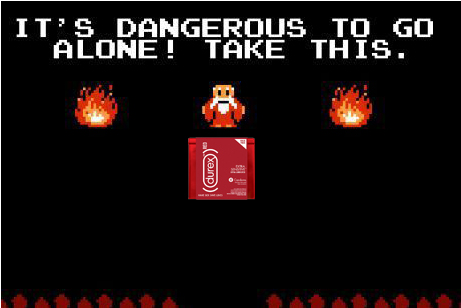
When engaging in sexual behavior, there’s a risk of contracting an STI from your partner, especially if either you or your partner have had sexual relations with other people before. Of course, the best way to prevent STIs is to not have sex, but condoms do work if you want to go for it, they just aren’t 100% effective. So what happens if you DO contract an STI? What can that look like, and how can we see that around us?
During a press release in October 2019, the CDC informed the public that cases of certain STIs were on the rise, especially syphilis. They confirmed 115,000 syphilis cases, a 14% increase in primary and secondary (the most infectious stages of syphilis) syphilis cases from the previous year, and a 40% increase in syphilis cases among newborns. Of the cases of congenital syphilis, 70% of those cases came from only 5 states. The CDC proposes that the increases seen in cases of STIs is a result of several factors. Drug use, poverty, and stigma surrounding STIs can limit access to treatment, allowing for the spread of these STIs to other people. The CDC also reports decreased condom use among vulnerable groups, which include young people and gay and bisexual men. We have also seen cuts to local and state level STI programs, which has resulted in reduced screening and patient follow-up, and even in some cases clinic closures.
Something clearly needs to be done to try to prevent the spread of STIs. The CDC is providing resources and surveillance at the local and state level health departments to try to prevent the spread of STIs and eliminate issues like congenital syphilis. They also advocate for STI screening to be made a part of standard medical care in order to catch and treat STIs as early as possible, and assist in preventing their spread. Outbreak Observatory links the rise in cases of STIs like syphilis to the growth of online dating and the defunding of Planned Parenthood as well. With online dating being such a big thing that allows people to meet all sorts of people, it opens the door for more sexual relations, which increases the risk of spreading STIs. Planned Parenthood provides resources for reproductive health, which includes STI screening and treatment. With these programs being defunded, it limits access to useful resources that people suffering from STIs need to prevent the spread of STIs.
In order to prevent the spread of syphilis, it is important to understand why it is spreading. Limited access to resources due to funding cuts makes getting screened and treated much more difficult. It’s also important to know that syphilis can be spread despite not showing symptoms. Syphilis can cause a latent infection during which it is still infectious between sexual partners. This is why it is crucial to use STI prevention methods, like abstinence, monogamy, or condoms. Assuring precautions are taken to prevent the spread of STIs like syphilis, it is likely that we’ll see a drop in cases and with proper screening, congenital syphilis can be eliminated.

 Microbiology with Eric